Skip to content
Fitila Labs
Isolines of the North American magnetic anomaly drifting slowly

Fitila Labs · Chicago

Scientific AI for the physical world

Fitila Labs develops machine learning, simulation and data software for problems governed by physics. We build the methods, test them against known solutions and field data, and deliver them through our products: TerraNavitas, Curasynth and Fitila Agents.

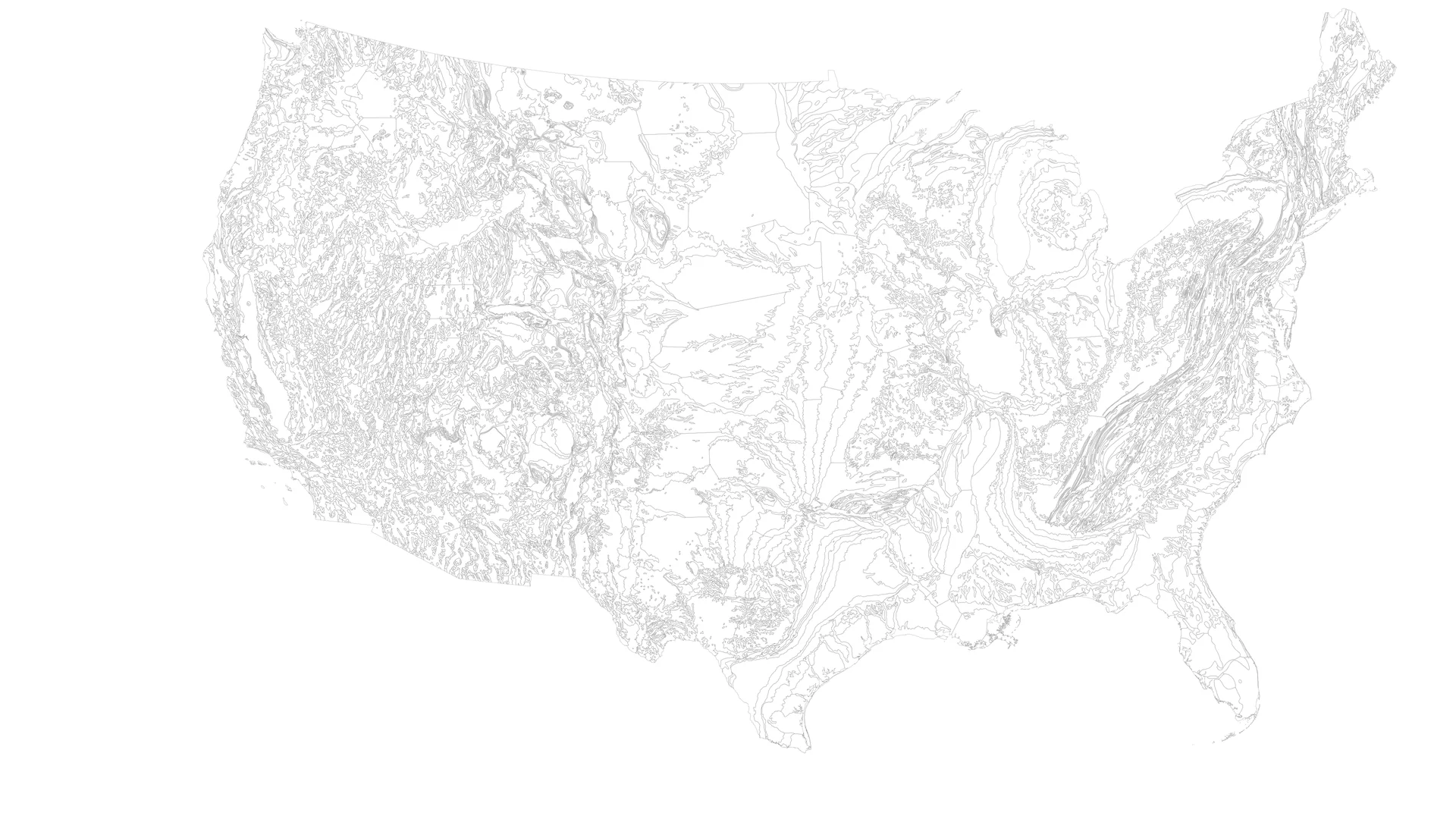
Background: contours of the North American magnetic anomaly (USGS data), drawn on our equal-area grid.

Mission

Our goal is to shorten the time it takes for scientific research to become software that engineers and scientists use in their daily work.

Method

Data → Physics → AI → Decision

We use the same four-stage approach in each field we work in. Each stage has its own research program and is used in our products.

  1. 01

    Data

    → Harmonized datasets

    We collect data from regulators, national surveys, satellites, clinical trials and the scientific literature, and harmonize it under one schema with the source of every value recorded.

    Research

    Used in

    TerraNavitas ODIS · TerraNavitas Minerals · Curasynth

  2. 02

    Physics

    → Simulation

    We solve the governing equations for flow, heat, mechanics and chemistry on parallel computers, and test the solvers against analytic solutions and published benchmarks.

    Research

    Used in

    TerraNavitas Subsurface

  3. 03

    AI

    → Models and agents

    We train models where they can be checked against simulation or measured data, and build agents that plan tasks, call our solvers and record each step.

    Research

    Used in

    Fitila Agents · Curasynth

  4. 04

    Decision

    → Decisions under uncertainty

    We combine models with measurements using Bayesian inference, so that forecasts include their uncertainty and the next measurement can be chosen by how much it would reduce it.

    Research

    Used in

    Curasynth · Fitila Agents

Products

Product lines

Each product line is built on the same data, simulation and verification software.

Energy & Earth resources

TerraNavitas

Software for oil and gas, critical minerals and subsurface energy.

TerraNavitas is our product line for energy and Earth resources. It includes oilfield data intelligence (ODIS), critical-minerals mapping (Minerals) and subsurface simulation (Subsurface).

Therapeutics & life sciences

Curasynth

AI and scientific computing for drug discovery.

Curasynth brings public biomedical data into one evidence base. Its analyst answers questions with citations to the sources it used, and its campaigns evaluate a target hypothesis and report the strength of the evidence.

  • Liveby sign-in

Science & engineering

Fitila Agents

Agent software for science and engineering.

Fitila Agents is a framework for building agents that plan scientific and engineering tasks, call simulation and analysis software, and record every step. Agent Studio is the browser application for building, testing and publishing them.

  • Liveframework and Studio
  • In buildworkflows

Research

Research areas

Our research is organized by stage of the method. We list an area only when there is working software behind it.

The national geologic map of the United States drawn as line art01 · Data

AI-ready scientific data

Harmonized scientific datasets with the source of every value recorded, available to maps, notebooks, models and agents through one interface.

  • Live
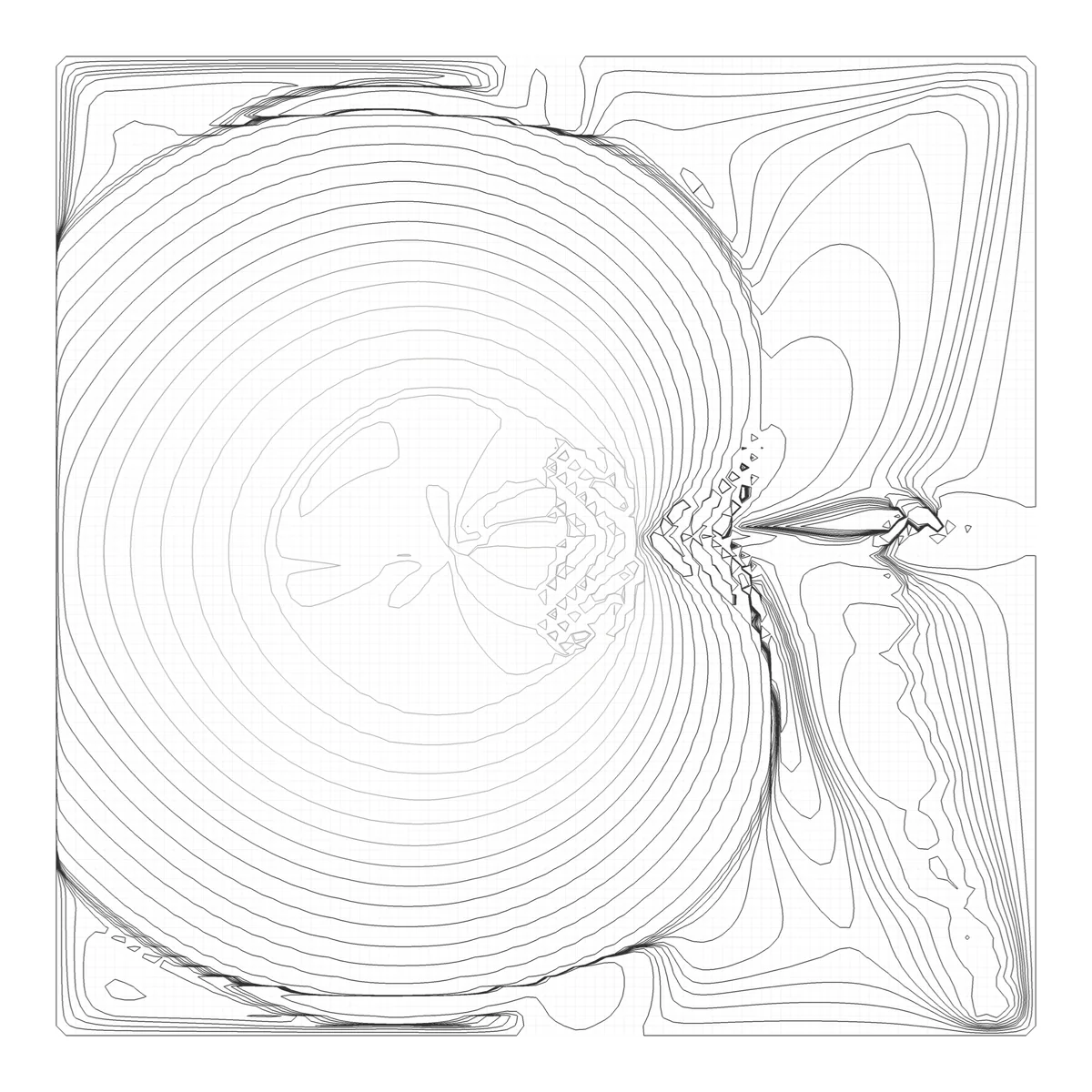
Temperature isolines of a geothermal doublet from a simulator run02 · Physics

Physics-grounded simulation

Coupled flow, heat, mechanics and chemistry in porous and fractured rock, solved with finite elements and verified against analytic solutions and published benchmarks.

  • Livesubsurface simulator
  • In buildphysical-systems modeling
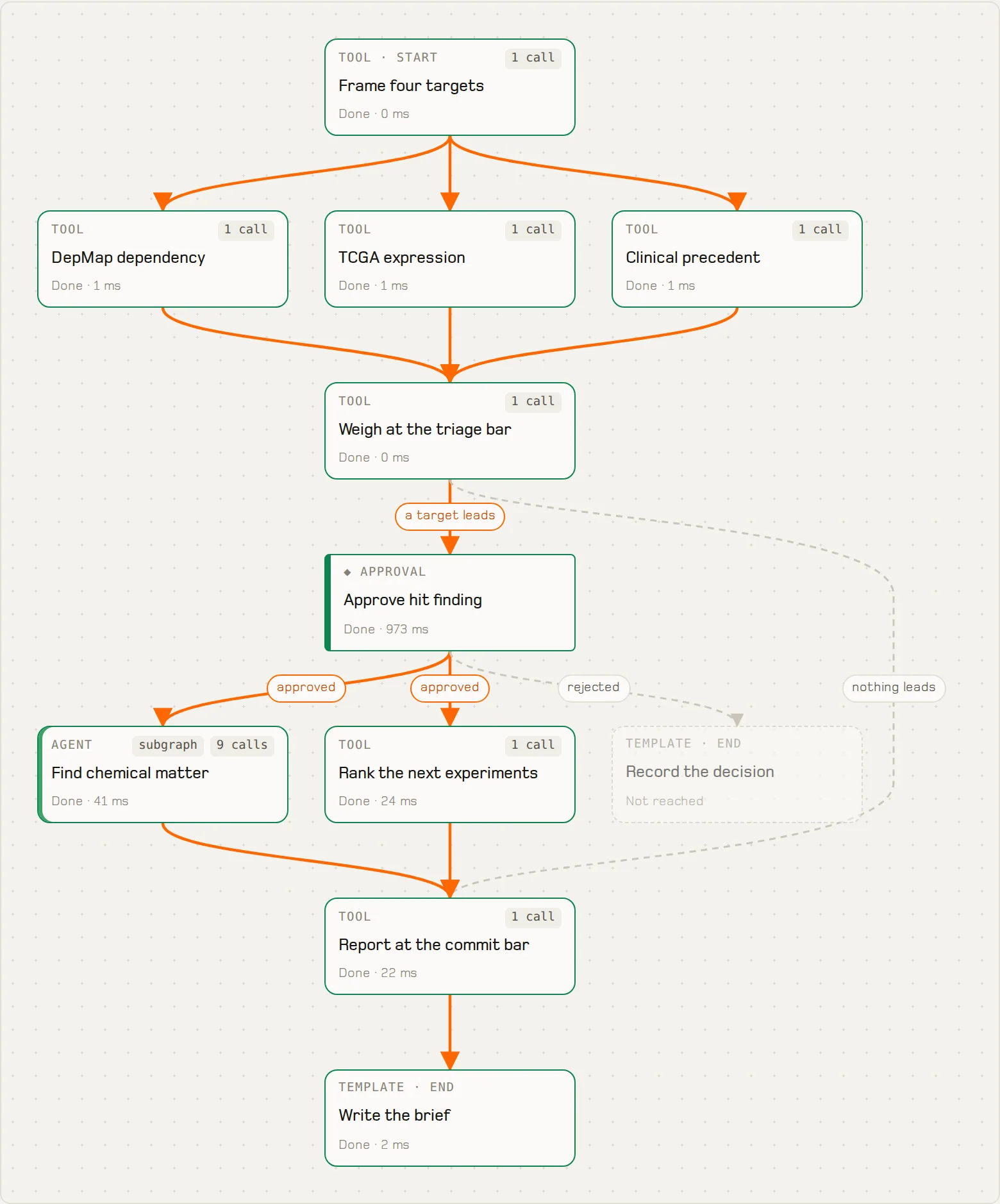
Agent Studio drawing a workflow as it runs03 · AI

Agentic science

Agents that plan scientific tasks, call simulation and analysis software, and weigh evidence, with human approval required for actions that change data or systems.

  • Liveframework and Agent Studio
  • In buildproduct agents
A surrogate following the full-physics model inside the range it was checked on, and not trusted outside itchecked rangefull physicssurrogateMethod illustration03 · AI

Scientific machine learning

Surrogate models, reduced-order models and domain language models, each used only within the range where it has been tested against simulation or data.

  • Livesurrogate and reduction library
  • Researchphysics-guaranteed surrogates
A model prior and a measurement combining into a narrower posteriormodelmeasurementposteriorMethod illustration04 · Decision

Bayesian data fusion and decisions under uncertainty

Bayesian methods that combine physics models with sparse, noisy measurements, so that forecasts include their uncertainty and new measurements can be prioritized by their value.

  • Livenumerical library
  • In buildend-to-end workflows in products

Shared software

  • Numerical methods
  • Quantitative and systems biology
  • Physical-systems modeling
  • Meshing from a description
  • Data gateway and service hub

Our products and research use one SDK and a common set of scientific libraries.

national geoscience datasets harmonized onto one grid
71national geoscience datasets harmonized onto one gridDatalake snapshot of April 2026; public sources only.
references the simulator is held to: seven analytic solutions and a ten-code benchmark
8references the simulator is held to: seven analytic solutions and a ten-code benchmark
planning strategies, including hierarchical task networks and hypothesis–evidence
15planning strategies, including hierarchical task networks and hypothesis–evidence
registered biomedical sources, each with its license, joined into one evidence graph
43registered biomedical sources, each with its license, joined into one evidence graph

Approach

Principles

  1. 01

    Physics first

    We use a learned model only where it has been tested against simulation or measured data, and we state the range in which it holds.

  2. 02

    Verification

    We test each solver against analytic solutions and published benchmarks before applying it to new problems.

  3. 03

    Traceable results

    Each result records its inputs, its data sources and the software version that produced it, so that it can be reproduced.

Applications

Applications

We work on physical AI: machine learning for systems governed by physical laws, where models have to agree with simulation and measured data. We have products in energy and Earth resources and in drug discovery. Materials and instruments, and security and defense, are research directions.

  • Live

Energy & Earth resources

Oilfield data intelligence, critical-minerals mapping, and subsurface simulation for geothermal energy, carbon storage and oil and gas production. Also EnergyGPT, a language model fine-tuned on energy literature.

  • Live

Therapeutics & life sciences

Cited evidence for selecting drug targets, supported by quantitative biology methods for dose–response analysis, pharmacokinetics and identifiability.

Frontier research

Active research directions without products yet.

  • Research

Materials & instruments

Differentiable physical-systems models for the inverse design of engineered materials, and control software that lets scientific instruments choose their next measurement using a physics model.

  • Research

Security & defense

State estimation, sensor fusion and multi-target tracking with calibrated uncertainty, decision analyses that can be versioned and re-run, and agents that require human approval for irreversible actions.

Insights

Publications and notes

All insights
  • U.S. Department of Energy SBIR Phase I (completed)
  • NVIDIA Inception member
  • ASME standards subcommittee on verification, validation and uncertainty quantification of machine learning (founder, chair)

Contact

Work with us

We work with research partners, customers and people who want to join the team. Tell us about your project.

Contact us